Cosmetic Tubes
PE tubes and aluminum or plastic laminate tubes for creams, gels and care products.

Discover tubes, labels, cartons, compacts and glass packaging for your next product launch.
From self-adhesive labels to glass and flexible packaging, we develop coordinated formats around your product requirements.
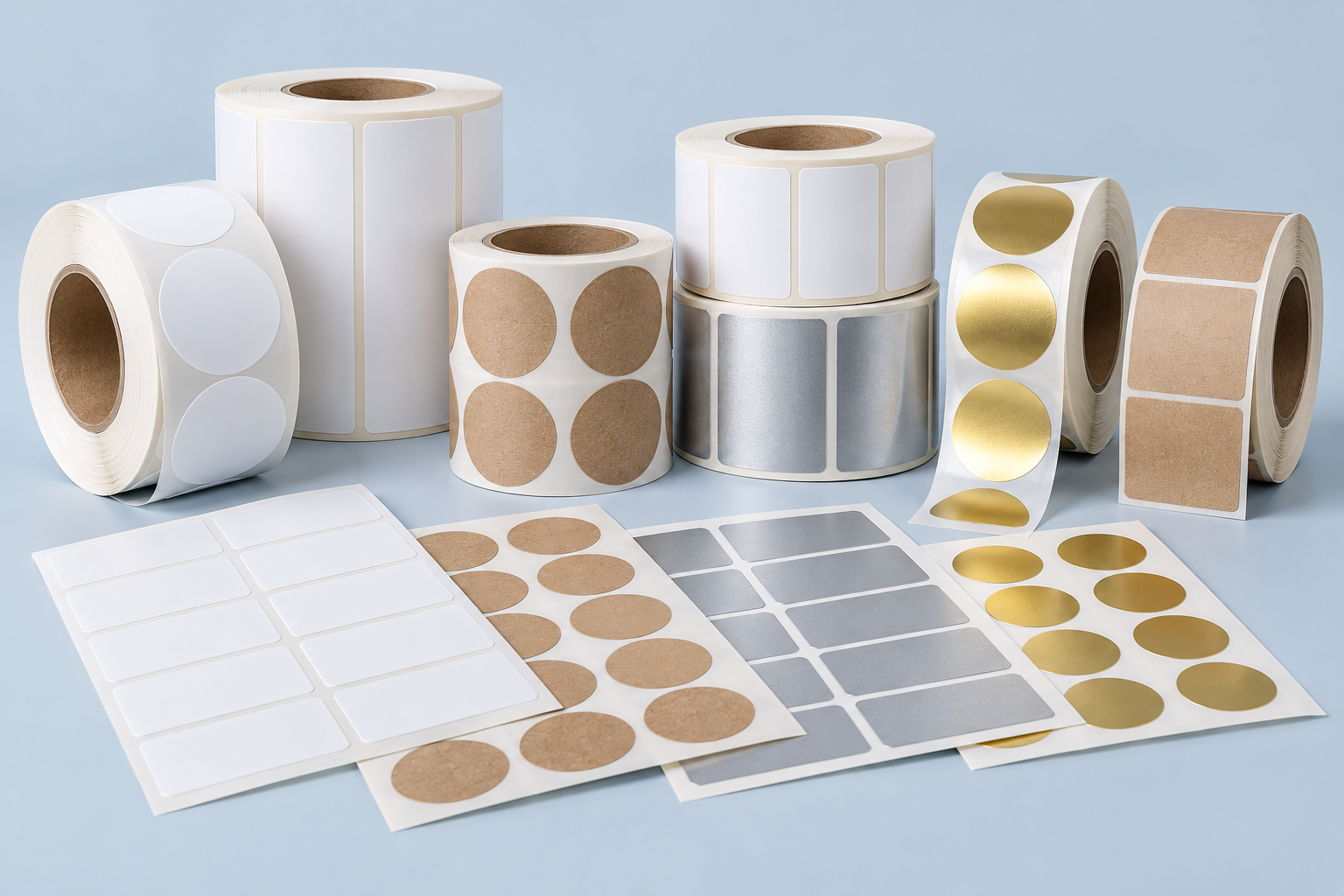
Self-Adhesive LabelsPrecise, versatile and ready for scale.
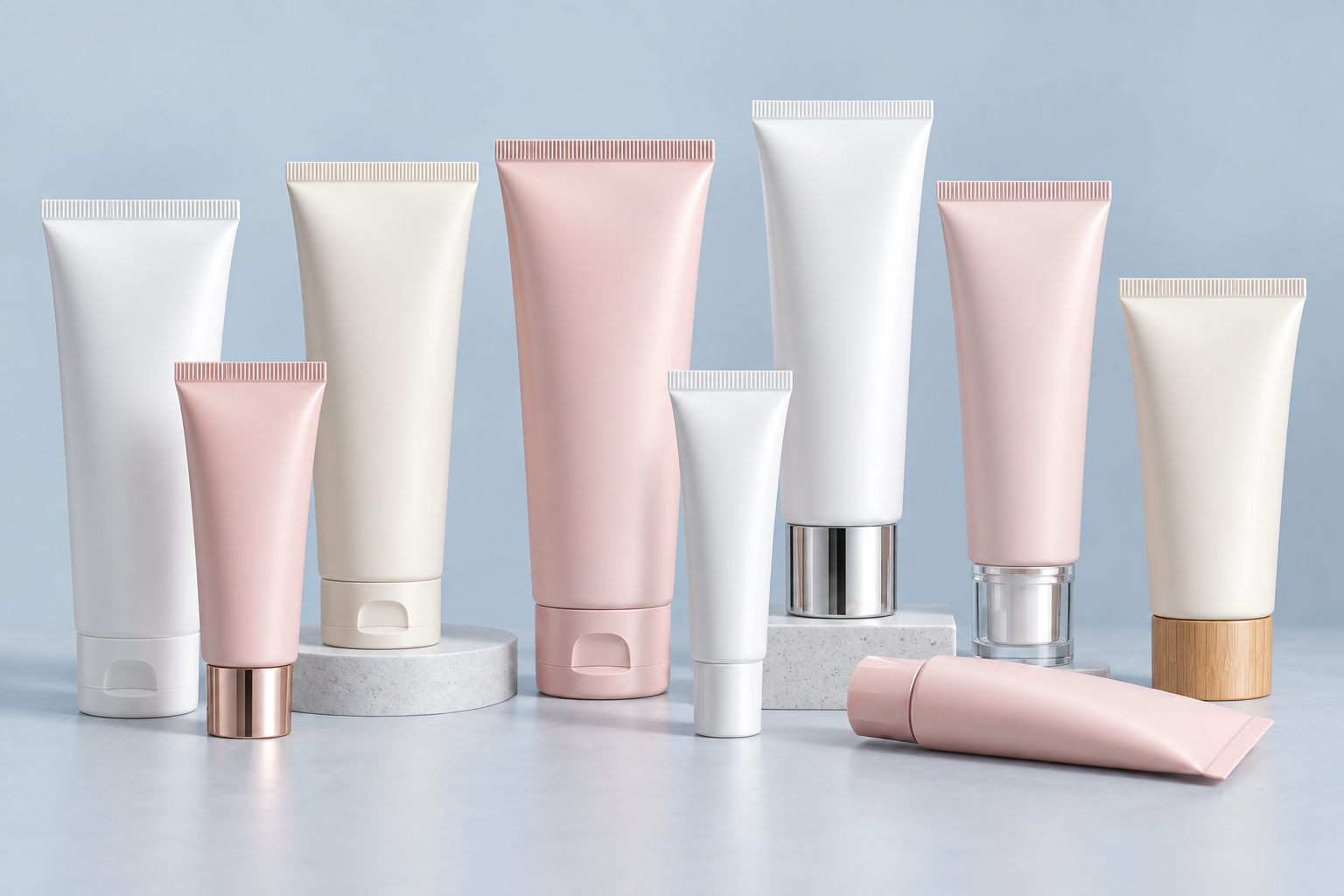
Flexible Tube PackagingReliable formats for beauty and care.
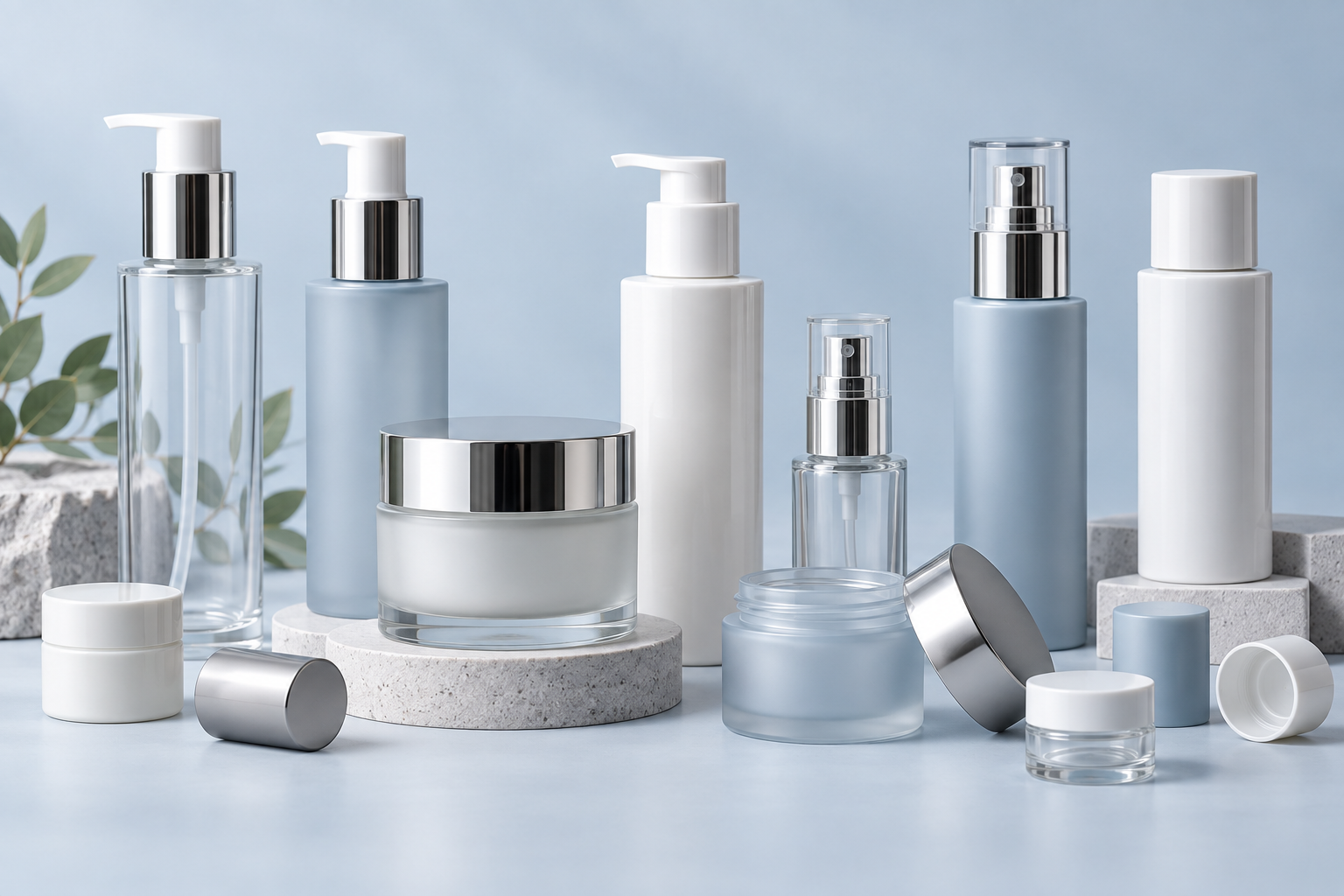
Cosmetic PackagingComponents designed to work together.
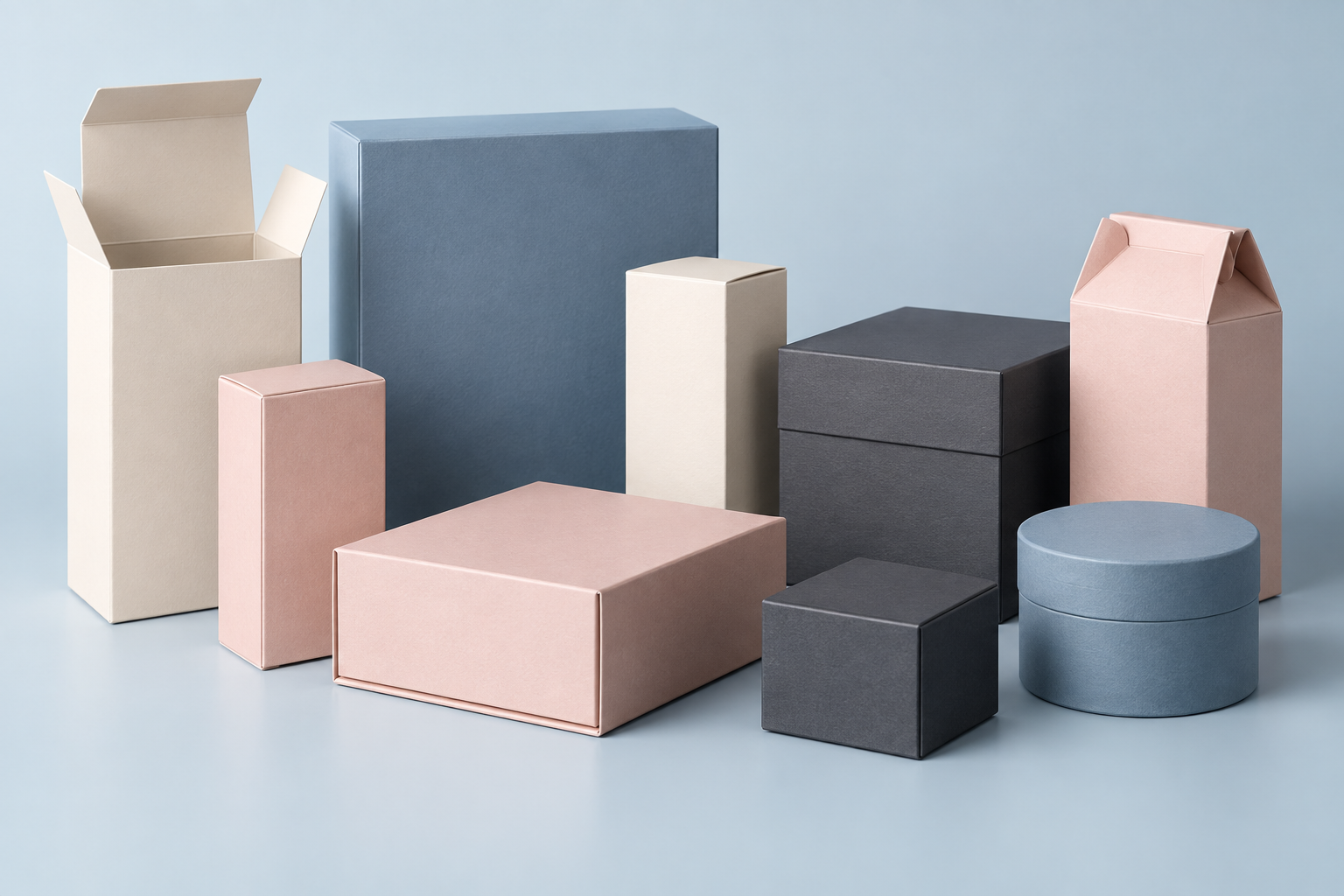
Folding CartonsStructure, finish and shelf presence.
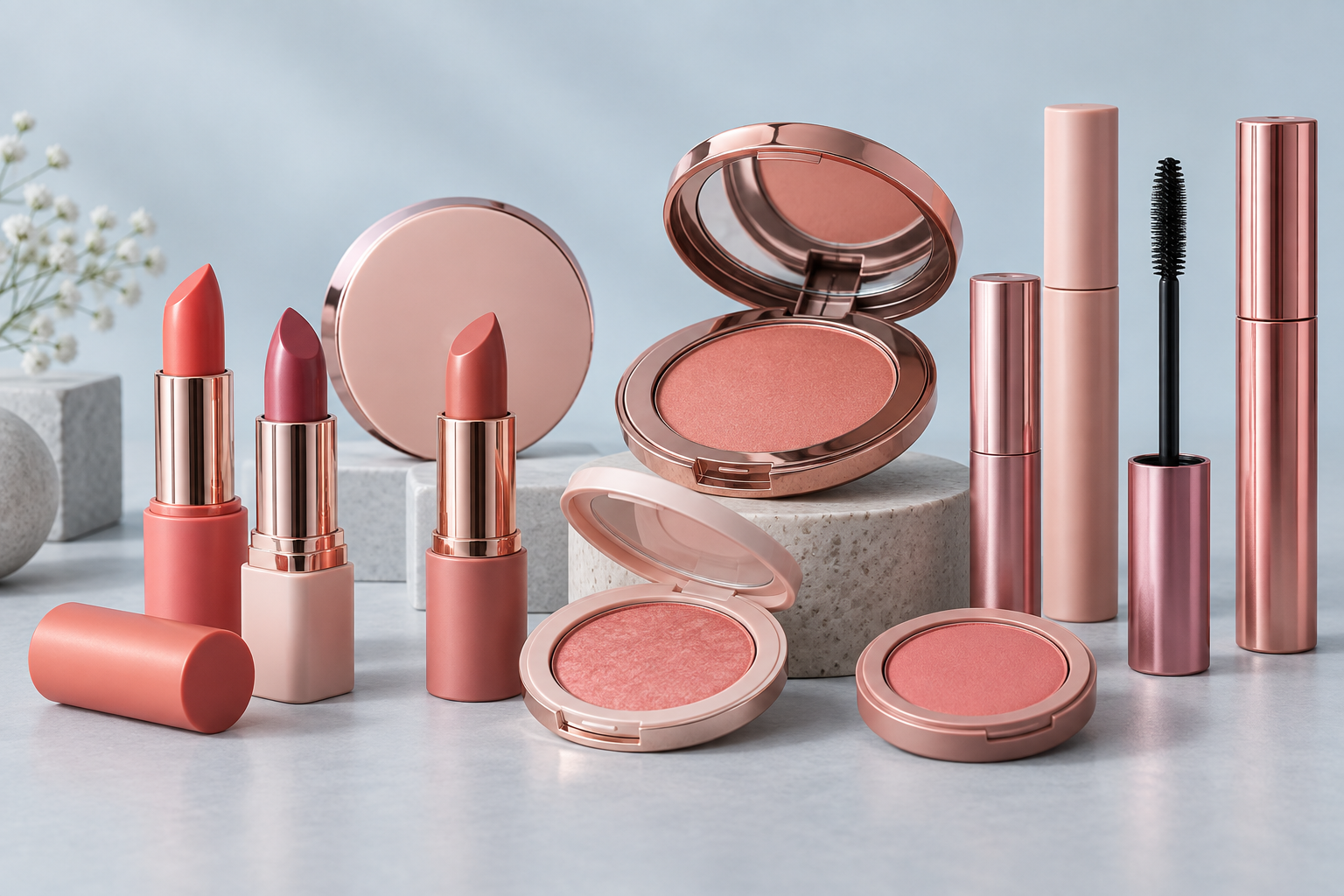
Color CosmeticsCompacts and components with character.
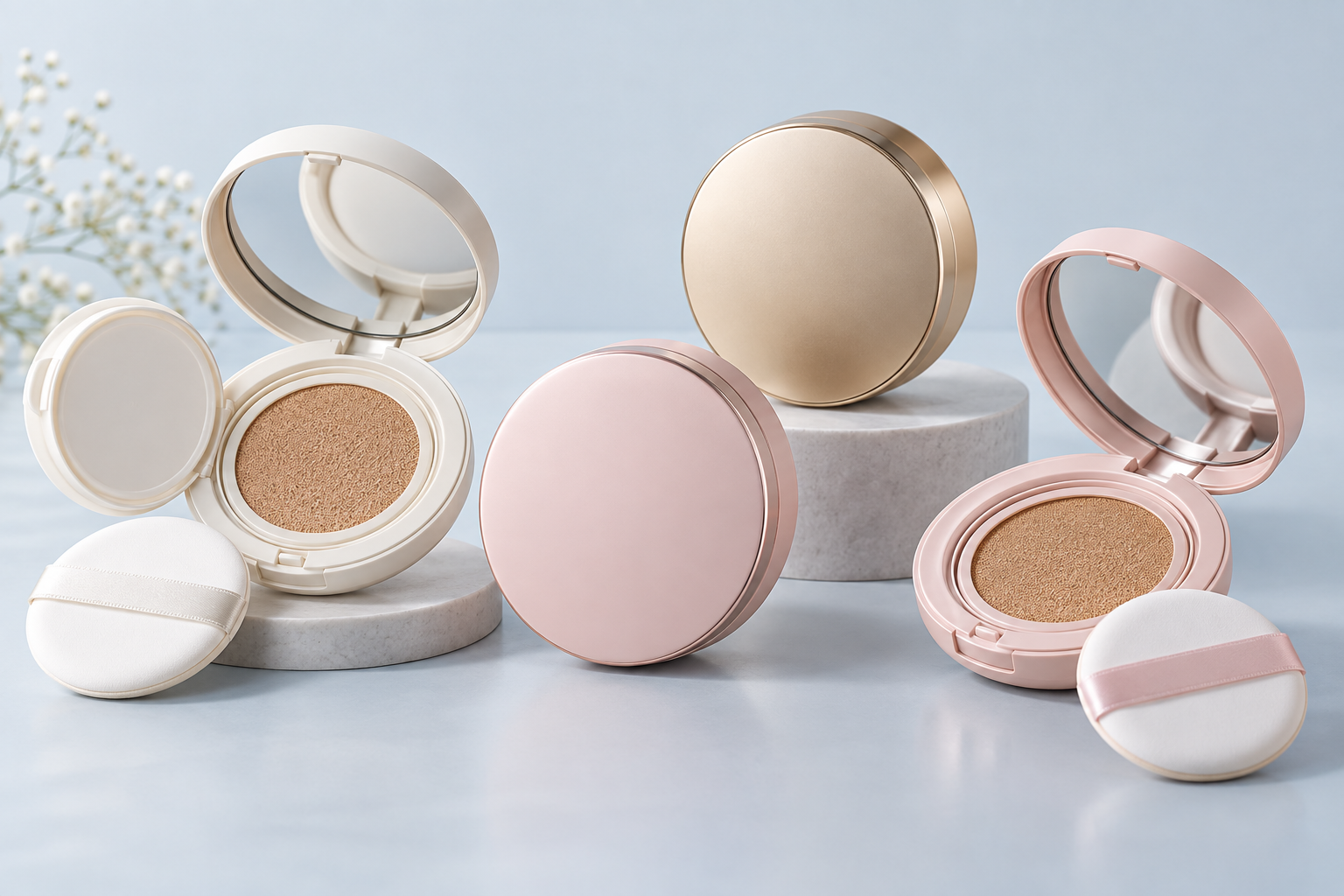
Cushion CompactsThoughtful fit, finish and usability.
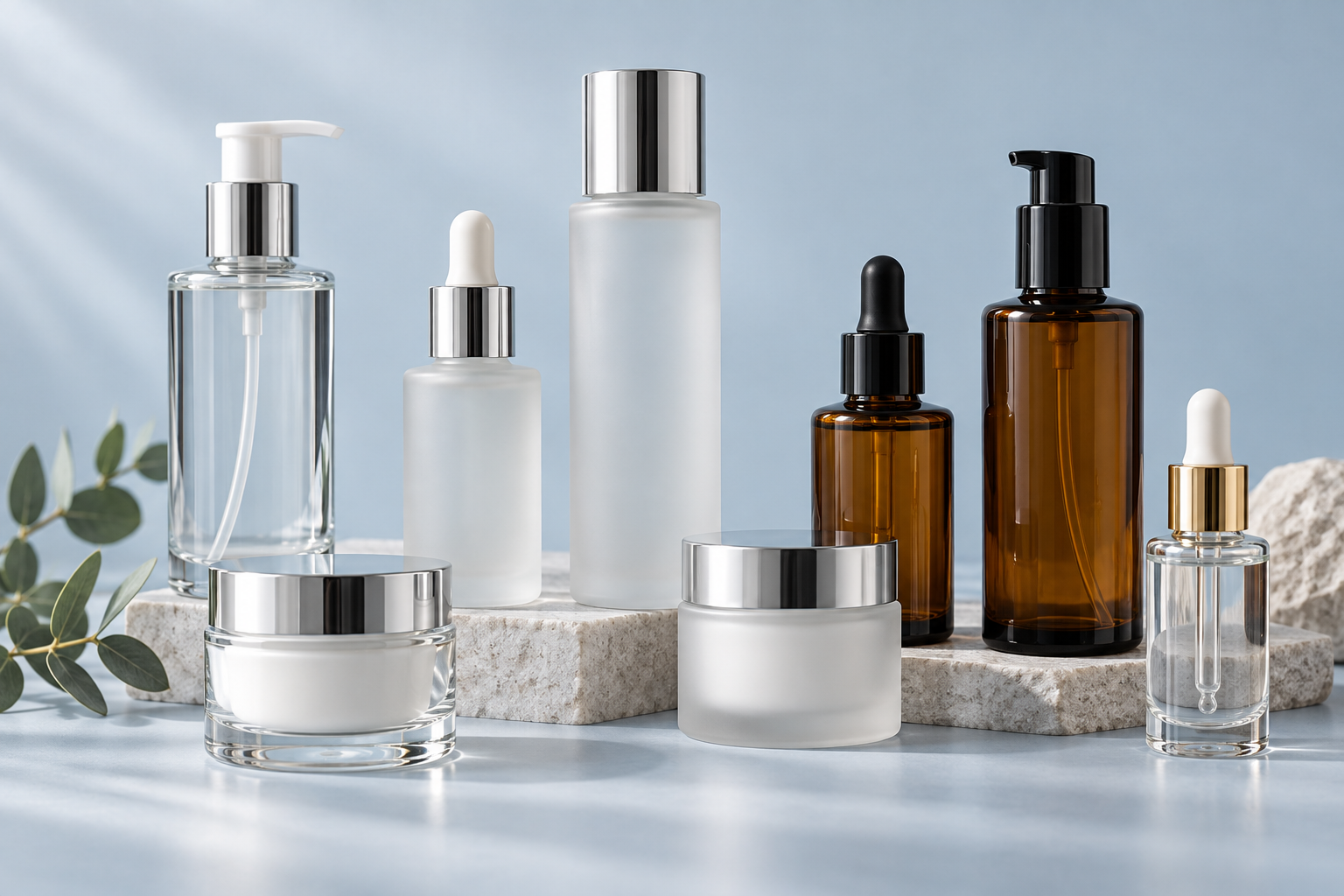
Cosmetic Glass BottlesPremium clarity and component choice.
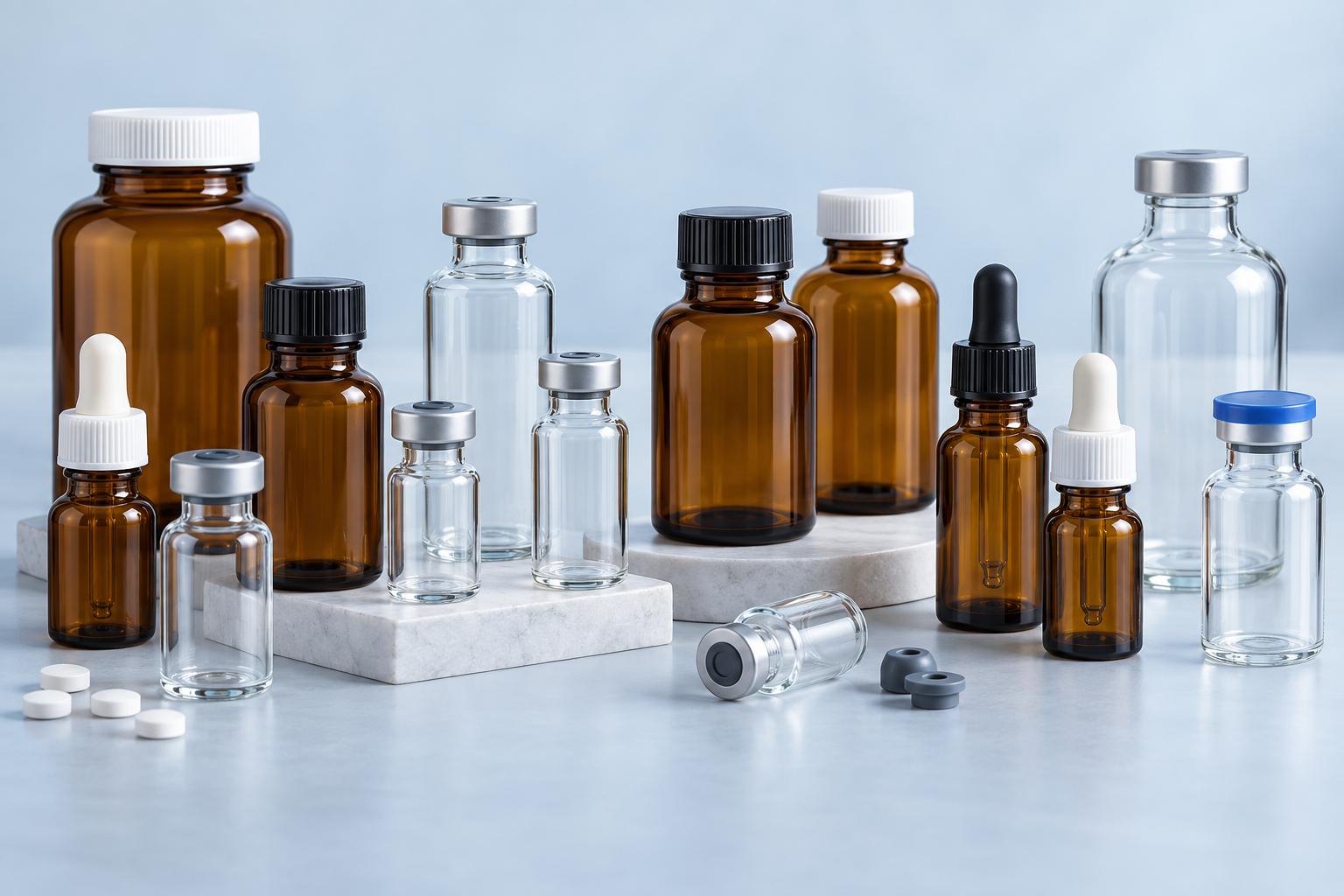
Pharmaceutical Glass BottlesTrusted formats for regulated products.Start with a packaging family, then refine the structure, closure and decoration around your formula and brand.
PE tubes and aluminum or plastic laminate tubes for creams, gels and care products.
Self-adhesive labels, shrink sleeves and flexible packs for product identification and presentation.
Paperboard structures that protect components and bring your artwork to the shelf.
Injection-molded components for face, lip and eye products, with practical opening and application details.
Bottles and jars paired with dispensing and closure options to suit the intended use.
Glass container formats selected around the product, closure system and filling process.
Use these selection criteria to narrow your brief. Final dimensions, materials and availability are confirmed for each project.
| Packaging family | Specification inputs | Component choices | Checks before approval |
|---|---|---|---|
| Cosmetic Tubes | Capacity, diameter, length, wall structure | Cap style, orifice, applicator | Formula compatibility, sealing, dispensing |
| Labels & Flexible Packaging | Size, substrate, adhesive, pack structure | Roll format, sleeve fit, sealing format | Surface adhesion, legibility, moisture exposure |
| Folding Cartons | Finished size, board grade, dieline | Tuck style, insert, window | Product fit, assembly, transport protection |
| Color Cosmetics & Compacts | Pan layout, dimensions, material | Hinge, mirror, closure, applicator | Opening feel, component fit, formula contact |
| Cosmetic Glass | Capacity, weight, neck finish | Pump, dropper, cap, liner | Dispensing, closure fit, leakage |
| Pharmaceutical Glass | Container dimensions, glass requirements | Stopper, cap, liner | Compatibility, filling process, applicable requirements |
Have an existing sample or drawing? Share it with your inquiry so we can compare the relevant specifications.
Discuss your specifications ↗Balance the pack’s performance with the color, texture and finish your customers see and feel.
PE and laminate tube structures, injection-molded plastics, film or paper label substrates, paperboard and glass each offer different design possibilities. Select them around the product and handling conditions.
Screen printing, foil stamping, heat transfer and coating options can create different visual effects. Label substrates include PE, PP and PET films, coated papers and metallized finishes.
Check color references, artwork placement, adhesion and the interaction between the formula and packaging before confirming production specifications.

Creams, cleansers and daily care products need a format that supports convenient dispensing and clear product communication.

From compact layouts to applicator details, consider the user’s routine, portability and the finished brand experience.

Define compatibility, closure and filling requirements with your technical team before selecting a container system.
Label and flexible packaging briefs should consider the filling process, storage conditions and intended product contact.
Surface exposure, handling and moisture can influence the choice of label substrate and adhesive.
Use structural packaging to organize, protect and present individual products or coordinated collections.
Develop an existing format or discuss a tailored structure. OEM and ODM project support starts with a clear product brief.
Plan your custom packaging ↗Define capacity, shape, dimensions and component layout. Mold development can be discussed for custom caps, applicators and tube shapes.
Share color references and the desired surface effect. Review decorated samples to align expectations.
Choose a cap, pump, dropper or applicator around the formula, filling method and user experience.
Provide editable artwork, dielines and labeling requirements. Coordinate labels, cartons and primary packaging as one system.
Material, structure and decoration choices stay connected from the first conversation to production readiness.
Align format, filling conditions, target market and project stage.
Compare decoration, compatibility and the right production route.
Coordinate approved samples, production and delivery details.
A few practical answers to help you prepare a more useful packaging brief.
Tell us the product category, formula type, target capacity or dimensions, estimated quantity, decoration requirements, target market and preferred schedule. Existing samples, drawings and artwork help us understand the project.
Yes. Discuss color, printing, surface finish and compatible components with our team. A new structure may require mold development and additional sampling.
These depend on the packaging format, material, decoration, tooling and production plan. We will confirm the project-specific quantity and schedule after reviewing your requirements.
Discuss available reference samples and development samples with our team. Confirm material, finish and component fit before approving a production specification.
Start with formula compatibility, filling conditions, handling and desired appearance. Glass, plastic, laminate, paper and label substrates should be assessed against the intended application.
Suitability must be checked for each project. Your technical team should validate formula contact, closures and the filling process, including any market-specific requirements.